



This post is in partnership with Bobbie. We only endorse products we use with our families.
If you’re a mom to a baby right now, you’ve probably seen the headlines that several batches of a popular formula were recalled after tests found Clostridium botulinum, the bacteria that causes infant botulism. As a new mom, this news stopped me in my tracks.
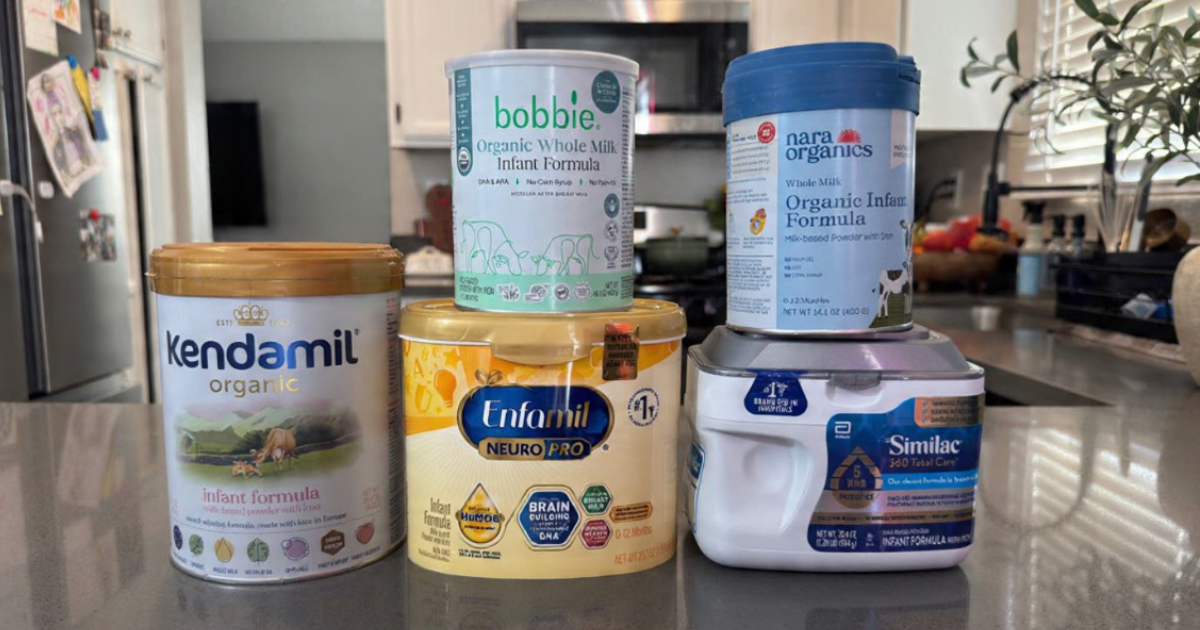
So I took a closer look at four of the most popular infant formulas to understand how they compare on safety, and what I found surprised me.
I’m breaking down what I check on a formula label, the certifications that really mean something, and the formula option that stands out as the safest choice.

Organic & sourcing standards
One of the first things I look for is whether a formula is certified organic (not all labels that say ‘organic’ mean the same thing).
The gold standard is the USDA Organic seal. It’s the only label that guarantees high-level organic sourcing and strict rules around how ingredients are grown, processed, and handled.
A USDA Organic formula means:
- At least 95% certified organic ingredients
- No GMOs, ionizing radiation, or sewage sludge
- Approved organic farming and processing methods
- Certification by a USDA-accredited agency
- Transported and handled in ways that prevent contamination
Why this matters: All U.S. formulas must meet FDA safety standards, but USDA Organic goes further. It makes sure your baby’s main source of nutrition comes from cleaner ingredients and tighter production rules.
What to look for on the label
When comparing formulas, here are the sourcing and nutrition details I always check:
- USDA Organic seal: the highest standard for ingredient quality
- Whole milk from grass-fed cows: includes natural milk fat and MFGM for brain and immune support
- No palm oil, soy oil, or corn syrup solids: common in non-organic formulas
- DHA, choline, and iron: key nutrients for brain and red blood cell development
- 60:40 whey-to-casein ratio: for easier digestion
- Lactose as the carb source: the same carbohydrate found in breast milk
- Made in the U.S.: fewer production touchpoints means lower risk of contamination
Testing & manufacturing standards
Ingredient quality is just one piece of the puzzle. How a formula is tested and where it’s made matters just as much.
Here’s what I check:
- Third-party certifications: Look for seals like the Clean Label Project (CLP), which tests for heavy metals, pesticides, and other contaminants
- Independent reviews: Consumer Reports occasionally ranks formulas for safety and transparency
- Traceability tools: Brands that let you look up batch or lot codes show they’re accountable for every step of production
- Manufacturing location: U.S.-made formulas typically move through fewer supply-chain steps, lowering the risk of contamination

🏆 Formula winner across safety standards: Bobbie Organic Whole Milk Formula
Across sourcing, testing, transparency, and manufacturing, Bobbie is the formula that delivers the highest level of care. It has the most complete safety profile of any option I compared.
Bobbie is my clear winner for ingredient quality + safety testing
Bobbie is the brand I keep in my pantry. It checks every box for me: organic ingredients, strict third-party testing, full traceability, and U.S. manufacturing. It’s an easy yes for our family whenever it’s time to make a bottle.
✅ The only USDA Organic whole milk formula made in the U.S.
✅ Both whole and skim milk options available
✅ Whole milk formula with MFGM, DHA, and choline for brain development
✅ No palm oil, soy oil, or corn syrup
✅ USDA organic certified
✅ 2,000+ quality checks per batch
Get 10% off your first purchase with code NMM10
If you want the best for your baby (and the peace of mind that comes with it):

Author


